
The agriculture sector stands highly susceptible to the repercussions of climate change, with global food security acting as a pivotal tipping point, as food is increasingly used as a hybrid weapon on the world stage. Addressing the challenges posed by climate and biodiversity crises and transitioning to regenerative economies demands more than just technical innovation. It calls for a profound shift in our beliefs, mental models, and timescales. Existing business models must align with emerging realities and actively contribute to progress.
Given that the food system is the second-largest contributor to greenhouse gas emissions, a transformative approach is crucial. We need to revolutionize how we provide nutritious and diverse food to a burgeoning population while utilizing less land and significantly reducing emissions.
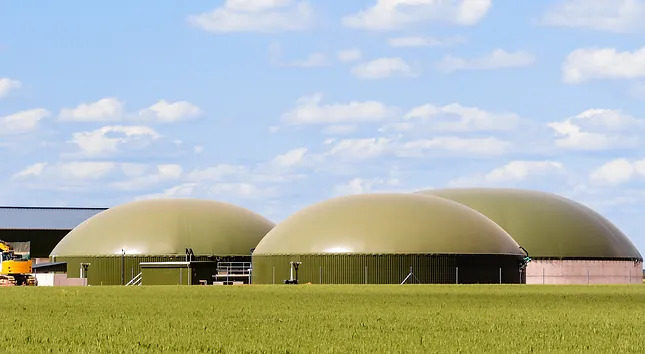
Within our portfolio, ReGenerative Agro is spearheading the development of a chain of 10 biomethane production plants. This initiative aims to produce biomethane, generate electricity from biomethane, and produce BioLNG.
The scalable model prioritizes utilizing agricultural waste to ensure a steady supply of raw materials, coupled with the strategic use of intermediate crops.

Decentralized, green, and diversified gas production is the priority for Ukraine. The country possesses the potential to replace 10 bcm of imported gas annually.
The project seeks to enhance waste and secondary product management by establishing a closed-loop agricultural waste recycling system. This would reduce greenhouse gas emissions, projecting a decrease of up to 42 million tons of CO2 equivalent by 2050 (2.5 million tons by 2030). Additionally, the project would contribute to the revitalization of Ukrainian lands through organic farming practices, incorporating the utilization of digestate.
The project would contribute to public employment through the establishment of new jobs in both the green sector and related fields. Our commitment to inclusivity and diversity serves as a benchmark for exemplary corporate governance, drawing inspiration from standards integrated with our British partners and international best practices.
The implementation of Gender Equality and Social Inclusion (GESI) principles is a pivotal aspect, exemplified by policies such as equal pay for all genders. Our HR practices are designed to mitigate bias and discrimination. We actively support the reintegration of war veterans, enforcing a 20% quota within the total workforce. Moreover, our initiatives stimulate the remigration of displaced individuals affected by the war.



This model introduces an additional revenue stream for farmers by utilizing residual by-products and intermediate crop harvests. Farmers benefit from an extra income source, and the soil is enriched by digestate, enhancing overall agricultural productivity.

Biomethane production yields digestate, an organic fertilizer. This eco-friendly digestate replaces conventional, CO2-intensive mineral fertilizers, promoting a more sustainable approach to agriculture.

Leveraging current geopolitical and economic conditions, the project taps into oversupply and reduced crop prices caused by factors like the Black Sea blockade. This situation increases livestock margins due to lower feeding costs, utilizing the surplus livestock waste for biomethane production, and transforming waste into a valuable resource.

Transforming sewage water into biomethane represents a breakthrough in waste management and renewable energy. This process not only provides a sustainable energy source but also effectively manages waste, reducing environmental pollution and aligning with circular economy principles.

The innovation lies in capturing CO2 during biomethane production, combining environmental stewardship with renewable energy technology. Extracting CO2 during biogas upgrading improves fuel quality and significantly reduces greenhouse gas emissions, contributing to a cleaner and more sustainable energy landscape.

This integrated system forms a renewable and circular energy model. It efficiently utilizes excess renewable energy, recycles carbon dioxide, and reduces greenhouse gas emissions. The produced biomethane serves as a renewable fuel for diverse applications, including electricity generation, heating through combined heat and power generators, and transportation fuel.

This integrated system forms a renewable and circular energy model. It efficiently utilizes excess renewable energy, recycles carbon dioxide, and reduces greenhouse gas emissions. The produced biomethane serves as a renewable fuel for diverse applications, including electricity generation, heating through combined heat and power generators, and transportation fuel.